

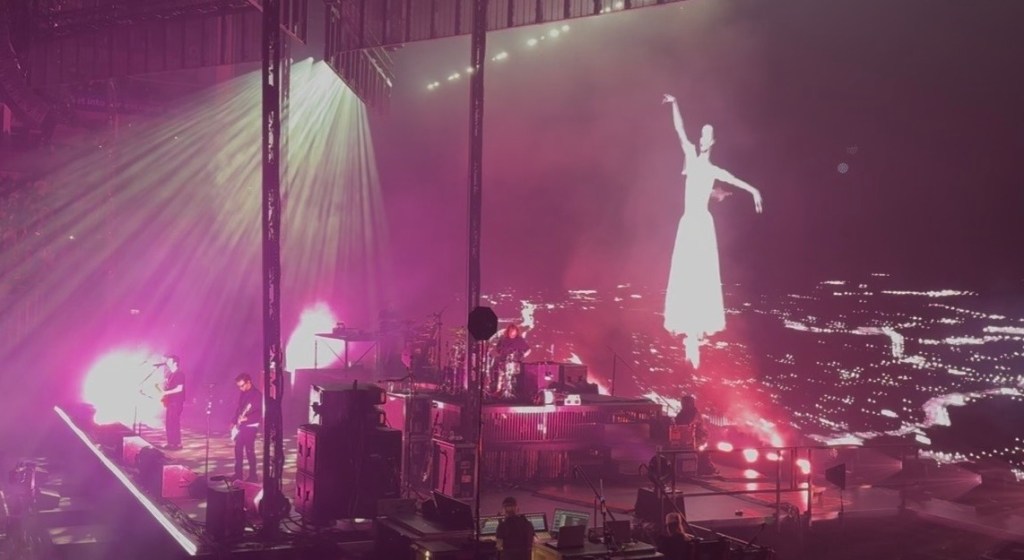
On 20 February 2026, I saw Deftones live at London’s O2. What struck me immediately was not just the sound, but the crowd. The demographic appeared almost evenly split: original fans from the late 90s and early 2000s standing alongside teenagers and early twenty-somethings who discovered the band decades later.

At 27, I technically fall within Gen Z, though being 18, or even 21, feels like another lifetime. Emotionally, I sit somewhere between these two groups: old enough to feel the passage of time, young enough to understand the digital revival that brought Deftones to a new audience. That in-between position offers a useful vantage point. Why does a band formed in the mid-90s feel so current?
Following the show, I posted a few clips to my recently launched TikTok account. The engagement was immediate. Far from niche, #deftonestiktok is a thriving microculture. ‘Y2K’ aesthetic revival, algorithmic nostalgia cycles, and even parental influence are all plausible explanations. But those factors explain reach, not intensity. The real question is not how Deftones reached Gen Z, but why they resonate so deeply once discovered.
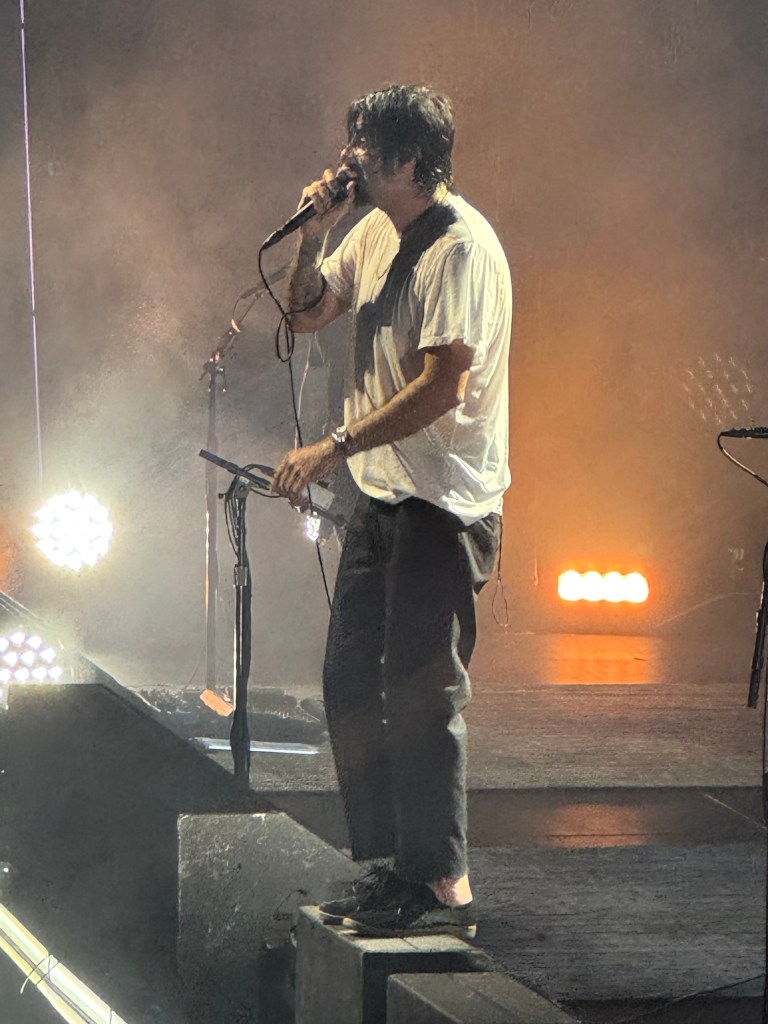
If cultural cycles explain rediscovery, they do not explain devotion. The intensity in the room felt earned, not ironic. Deftones have always existed in duality: metal fused with atmosphere, abrasion softened by dreamlike textures. They are heavy without being inaccessible. Sensual without being theatrical. Aggressive, but rarely rigid.
That ambiguity is part of the appeal. Their lyricism resists literal interpretation; songs feel suspended rather than resolved. Tracks like “Rosemary” drift and swell with a hypnotic quality, creating a sense of emotional weightlessness before impact. Such music invites projection rather than dictating meaning.
Deftones occupy the space in between softness and heaviness, beauty and aggression. Gen Z, often defined by fluid identities and blurred genre boundaries, also lives in the in-between. The band’s refusal to sit cleanly within one category mirrors a generation that resists singular labels.
Certain strands of heavier metal have historically thrived on extremity and gatekeeping – authenticity policed through inaccessibility. Deftones offer intensity without exclusion. You do not have to prove how ‘hardcore’ you are in order to belong as a fan. You simply have to feel it.
One of the most striking visual moments of the evening came during “Cherry Waves.” On the screen behind the band, a lone ballerina rotated – poised, suspended, almost weightless. The image felt deliberately incongruous against the distorted guitars and submerged basslines. Yet it made perfect sense. That contrast, fragility framed by heaviness, is central to Deftones’ appeal.
The band have never relied solely on brute force. Even at their loudest, there is restraint. Even at their most aggressive, there is atmosphere. The ballerina was not decorative but emblematic of the same duality that runs through their catalogue: defiance and vulnerability sharing the same space.
For me, their impact is also personal. A year ago, I hadn’t even heard of Deftones. I discovered their music at a point in my life when I was beginning to re-articulate my own creative voice. What struck me was not just the sound, but the permission embedded within it – permission to be ambiguous, to blend aggression with vulnerability, to resist genre boundaries. Their music reframed the way I thought about my own writing. It suggested that complexity does not need to be diluted to be accessible.
Sometimes the most enduring bands are not those tied to a specific era, but those whose emotional architecture waits for the right moment. Some artists age and rely on nostalgia. Others wait, accumulating new audiences when their aesthetic aligns with the cultural and psychological climate.
Deftones feel like the latter.
Thanks for reading! If you enjoyed my writing you might also like my music. Check it out via Spotify link on my home page 🙂

 Logan Darkwoods