


In the world of fashion, few styles have endured, evolved & captured the imagination quite like the gothic. Mysterious, dark, and unapologetically rebellious, gothic fashion is more than just an aesthetic – it’s a statement, a mood, and a subculture that defies the ordinary and has many tangents of inspiration. As one of my favourite writers, Edgar Allan Poe so hauntingly observed, beauty often lies in the strange, the unconventional – and gothic fashion is a perfect embodiment of that concept.

Rooted in shadow and stitched with symbolism, gothic fashion draws upon centuries of cultural evolution. It borrows the somber elegance of the Victorian mourning dress and fuses it with the anarchic spirit of punk, eventually blooming into a richly layered style that continues to evolve today. From the haunting allure of black lace to the bold edge of leather and studs, gothic fashion weaves together romanticism and rebellion, offering a unique expression of identity that is as timeless as it is provocative.
But what lies beneath the surface of this iconic look? Where did it begin and how did it come to be the cultural force it is today? Step into the shadows with me, and uncover the rich history, symbolism, and enduring spirit of a fashion movement that refuses to fade…
Origins: A History of Darkness and Elegance
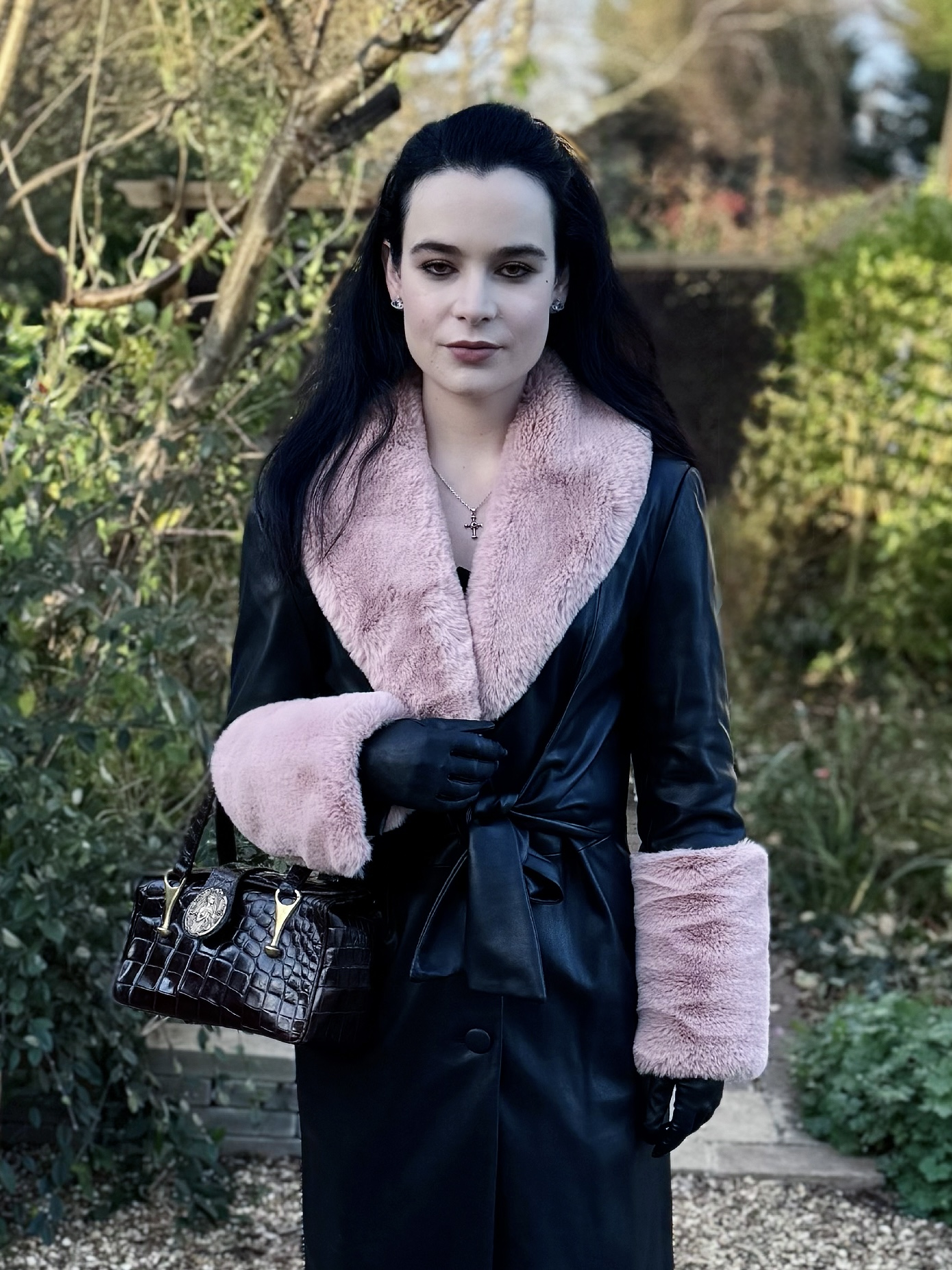
The origins of gothic fashion can be traced back to the Victorian era, which was marked by a fascination with death, mourning, and the macabre. During this period, elaborate, dark clothing such as corsets, lace, and high collars were commonly worn, especially by women in mourning, who donned all black ensembles. These elements of Victorian fashion laid the groundwork for gothic aestheticism, emphasising sombre elegance.
Fast forward to the 1970s where punk subculture contributed another crucial layer to gothic fashion. Punk was a rebellious, anti-establishment movement known for its DIY ethos including ripped fabrics, safety pins, leather, and heavy boots. The punk scene often played with darker themes, which gradually evolved into a more eerie and romantic style. Bands like Siouxsie and the Banshees and Bauhaus helped bridge this transition from punk to goth, inspiring fans to adopt a more dramatic and otherworldly look.
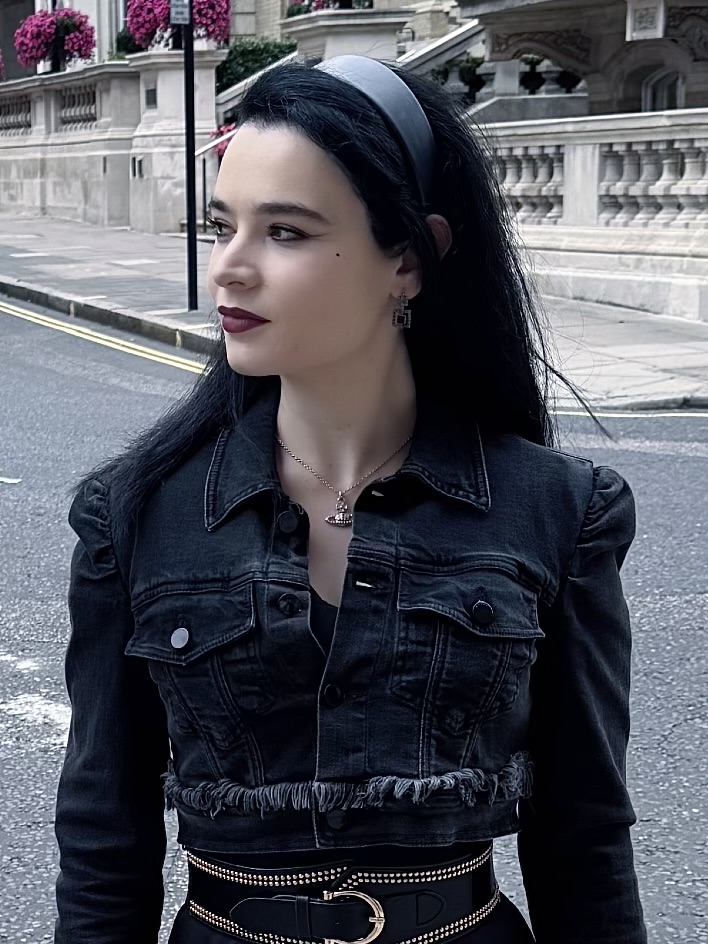
By the 1980’s, the goth subculture had fully emerged, heavily influenced by gothic rock music, post-punk aesthetics, and the dark romanticism of the Victorian era. Fashion in this movement was characterised by a combination of dark, flowing fabrics, fishnet stockings, platform boots, and accessories like chokers and silver jewellery, often accented by pale makeup and dark lipstick. This distinct blend of Victorian-inspired elegance with punk’s edgy rebellion became the hallmark of goth fashion, defining an entire subculture.
Key Elements of Gothic Fashion
Gothic fashion is built on contradiction – soft fabrics paired with hard edges, antiquated silhouettes juxtaposed with futuristic touches. Here are some of the core elements that give gothic fashion its unmistakable identity…
Black as a Statement, Not Just a Colour

Black is more than a hue in gothic fashion – it’s an ethos. Evoking mystery, mourning, power, and the unknown, black clothing sets the tone for the entire aesthetic. It represents a rejection of mainstream norms and a deliberate embrace of darkness as something beautiful, not fearful.
Victorian Influences
Corsets, high-neck blouses, lace gloves, and bustled skirts all echo the grandeur and gloom of the Victorian era. These elements bring an old-world refinement to the gothic look, creating a haunting beauty that feels almost otherworldly.
Punk & Post-Punk Edge
From distressed fishnets to studded belts and heavy boots, the punk roots of gothic fashion are ever-present. There’s a rawness, a sense of DIY rebellion, that permeates even the most ornate outfits. This edge adds grit to the glamour, reminding us that goth is as much about resistance as it is about aesthetics.
Symbolic Accessories
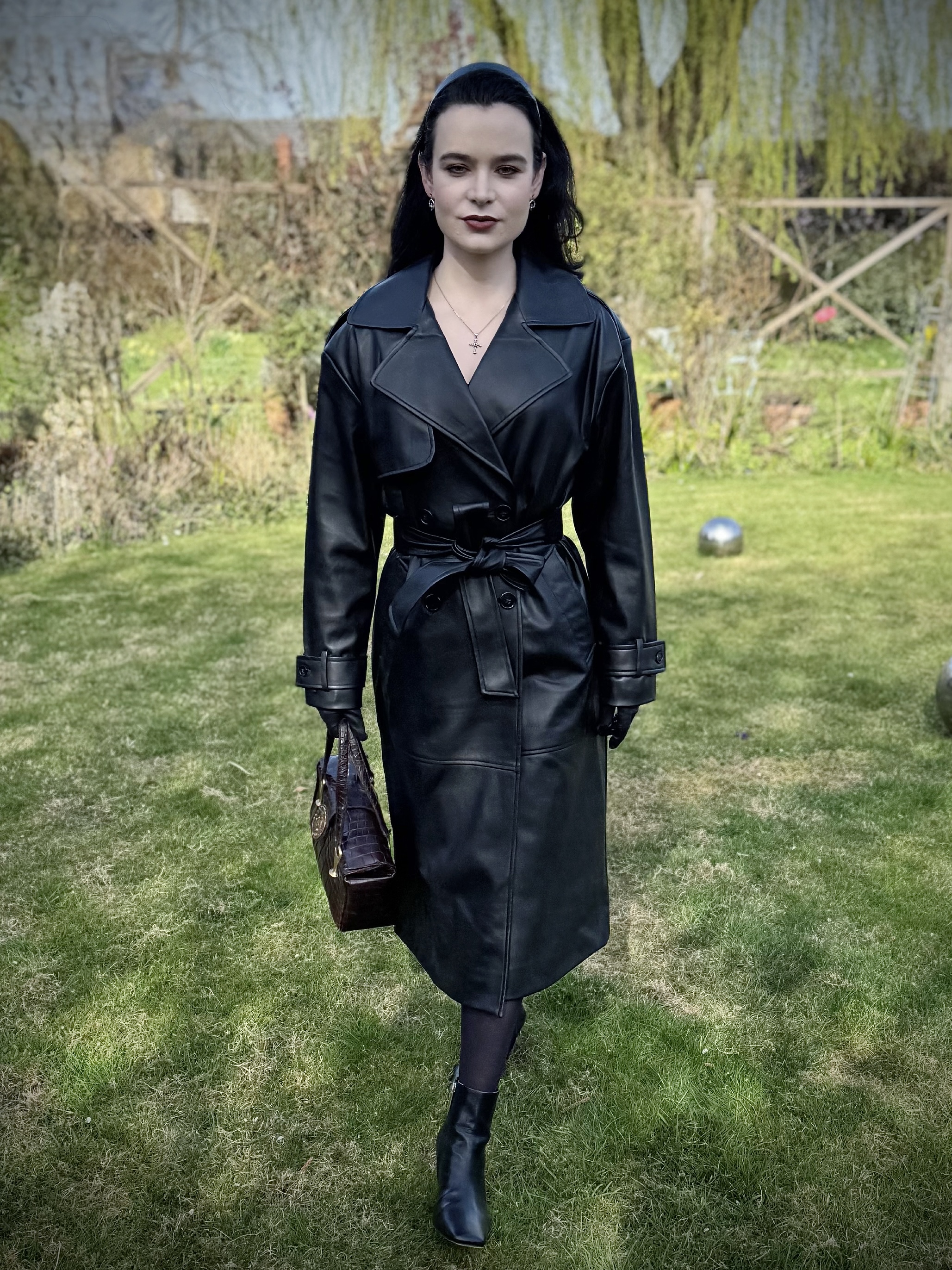
Chokers, crucifixes and pentagram pendants are characteristic of gothic symbolism. This presence of religious iconography alludes to the wearer’s ambiguous but omniscient spiritual inclinations. My cross pendant (above) is one of my favourite pieces of jewellery – a souvenir from my visit to Whitby last year. I could not possibly write a post on gothic aesthetic without mentioning this beautiful, eerily atmospheric northern town steeped in gothic culture and heritage – a location made famous as the inspiration behind Bram Stoker’s Dracula in the late 19th century. I would encourage anyone with an interest in all things gothic to visit at least once and experience walking in Bram Stoker’s footsteps, you will not be disappointed!
Pale Skin & Dramatic Makeup

Beauty in gothic culture often involves a deliberate departure from conventional norms. Pale foundation, dark eyeliner, smudged eye shadow, and vampiric lipstick in cool tones like plum, wine, or black create a dramatic contrast – as though the wearer has emerged from the pages of a Victorian ghost story.
Layers & Texture
Gothic outfits often combine layers including materials such as velvet, lace, mesh, leather, and satin to create a rich visual and tactile experience. Texture adds depth, originality and a sense of mystery – whether it’s the soft whisper of lace or the structured drama of a tailored jacket.
Beyond Aesthetic: Symbolism and Identity
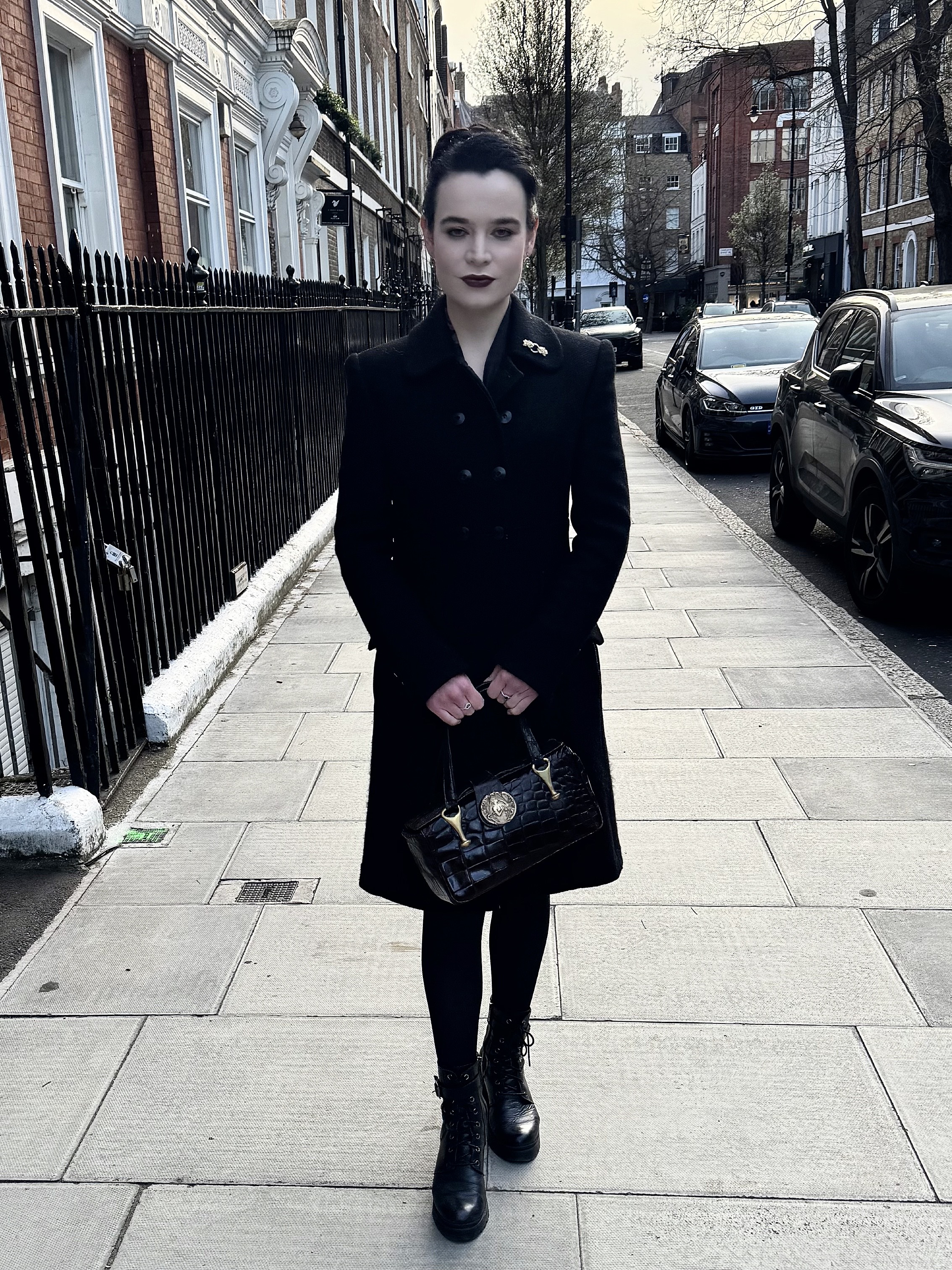
At its core, gothic fashion is deeply symbolic. It embraces the beauty of decay, the poetry of sorrow, and the strength in otherness. For many, dressing in this style is not about following a trend, but about expressing their inner world – a form of artistic resistance against conventional beauty norms and cultural expectations.
In its celebration of imperfection and the uncanny, gothic fashion provides a kind of armour – it allows the wearer to own their darkness rather than be consumed by it. There’s a power in that. It says: I exist on my own terms.
Glam Goth & Soft Goth Style
Gothic fashion doesn’t always have to be theatrical or reserved for subcultural spaces – its elements can be subtly woven into everyday style, creating looks that are elegant, romantic, and striking without transcending into an appearance aligned with fancy dress (can’t deny, this has/does happen to me). Two of the most accessible and stylish interpretations of this are the glam goth and soft goth aesthetics.
Glam Goth: Dark Meets Decadent

Glam goth is where old-school darkness meets high-octane glamour. Think velvet blazers, dramatic eyeliner, high heels paired with lace gloves, and statement jewellery in silver or jet. It draws inspiration from the gothic rock icons of the ‘80s and fuses it with a more polished, fashion-forward sensibility. There’s a touch of decadence in every detail metallic accents, glossy finishes, and silhouettes that exude confidence and mystery.
This look is perfect for nightwear, events, or even elevating a casual outfit with a gothic twist. A black satin slip dress with a leather trench, or a sharply tailored black suit with blood-red lipstick, can speak volumes.
Soft Goth: A more delicate take

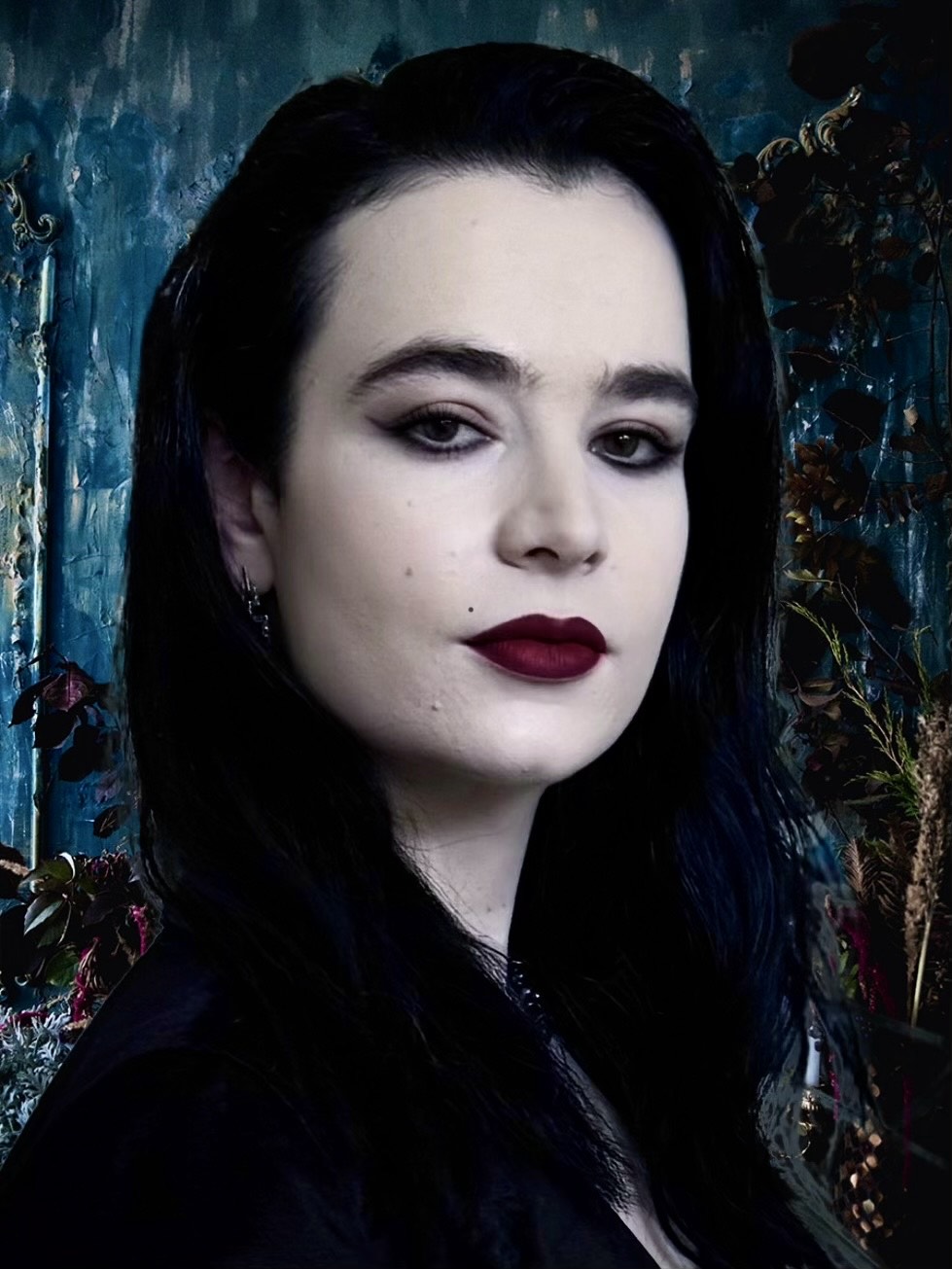
On the opposite end of the spectrum lies soft goth – a gentler take on the aesthetic that favours romantic, ethereal elements. Soft goth style leans into flowing fabrics, muted blacks and greys, sheer layers, and delicate details like ruffles, mesh, and vintage accessories. Makeup might be more subdued – smudged eyeliner, pale blush, and a faded berry lip. (An old picture of me when I was tentatively exploring gothic tones) ->
A Final Note
Gothic fashion, in all its forms, is ultimately about expression – about finding beauty in the shadows and power in the peculiar. Whether you’re drawn to the sharp elegance of glam goth or the dreamy melancholy of soft goth, incorporating these elements into your wardrobe is less about following rules and more about crafting your own darkly enchanting narrative.
Because as Poe said, ‘there is no exquisite beauty without some strangeness in the proportion.’ And in fashion, that sense of strangeness? That’s where the magic lives. I would rather dress ‘strange’ than ordinary any day – where’s the fun in that!

 Logan Darkwoods