

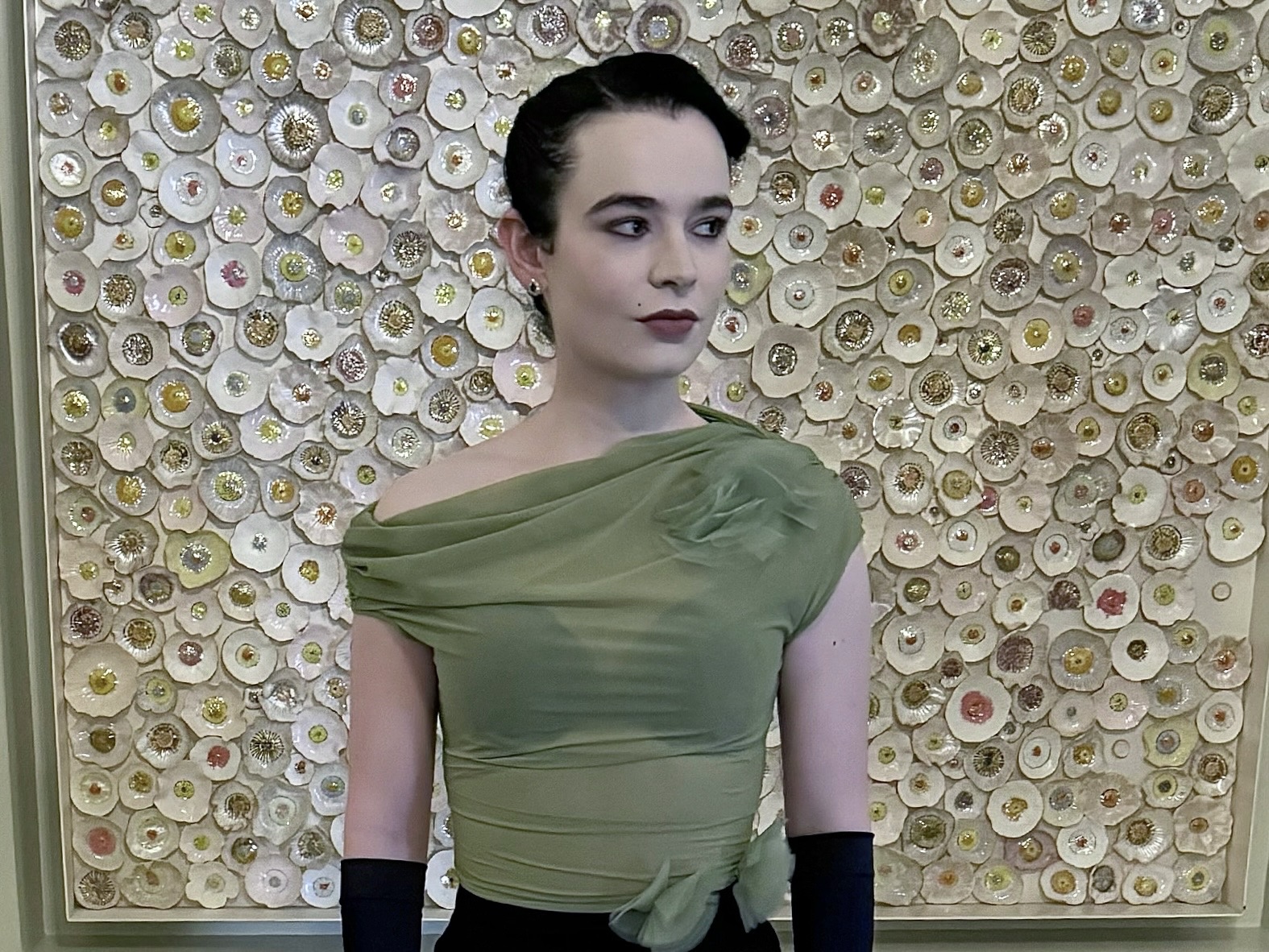
Naturally following on from my last post on the 1940’s, I want to explore the 1950’s – a transformative era in fashion. In the backdrop of the austerity of the second world war and amidst the rubble of a war-torn world, Christian Dior unveiled a fashion revolution that would forever change the landscape of style: the New Look.

Introduced in 1947, this groundbreaking collection redefined women’s fashion with its cinched waists, voluminous skirts, and luxurious fabrics, offering a fresh start and a sense of renewed glamour. As the world stepped into the 1950s, Dior’s New Look became the epitome of sophistication, setting the tone for a decade of fashion that celebrated beauty, grace, and the joy of dressing up as opposed to the ‘make do and mend’ mentality of the war years. This look, characterised by nipped-in waists, full skirts, and luxurious fabrics, marked a departure from the utilitarian nature of wartime clothing. Accessories, too, reflected this shift. Jewellery became more elaborate, handbags more structured, and hats more extravagant, all designed to complement the elegant, hourglass silhouettes of the era.
This revived sense of glamour was both reflected in and reflected by Hollywood which played a crucial role in shaping post-war fashion trends. Film stars like Audrey Hepburn, Grace Kelly, and Marilyn Monroe became style icons, influencing the accessories that women aspired to own. The glamorous allure of Hollywood films, which often featured luxurious settings and fashionable characters, further fuelled the desire for elegance and sophistication in everyday life.
Key Elements of the 1950’s ‘New Look’
Silhouette & Shape
Defining aspects of the New Look silhouette saw a defined hourglass shape and nipped-in waist, not dissimilar from the tailored silhouette fashionable in the 40’s. However, this cinched waist was often achieved with the help of corsets or girdles, which were reintroduced to fashion after having been largely abandoned during the war.
Another key characteristic was the longer hemline – skirts were often calf-length, creating a full, rounded silhouette that was both feminine and glamorous. The use of multiple layers of petticoats and yards of fabric contributed to the skirt’s volume, making it a striking and luxurious departure from the more conservative, fabric-conserving styles of the wartime era.
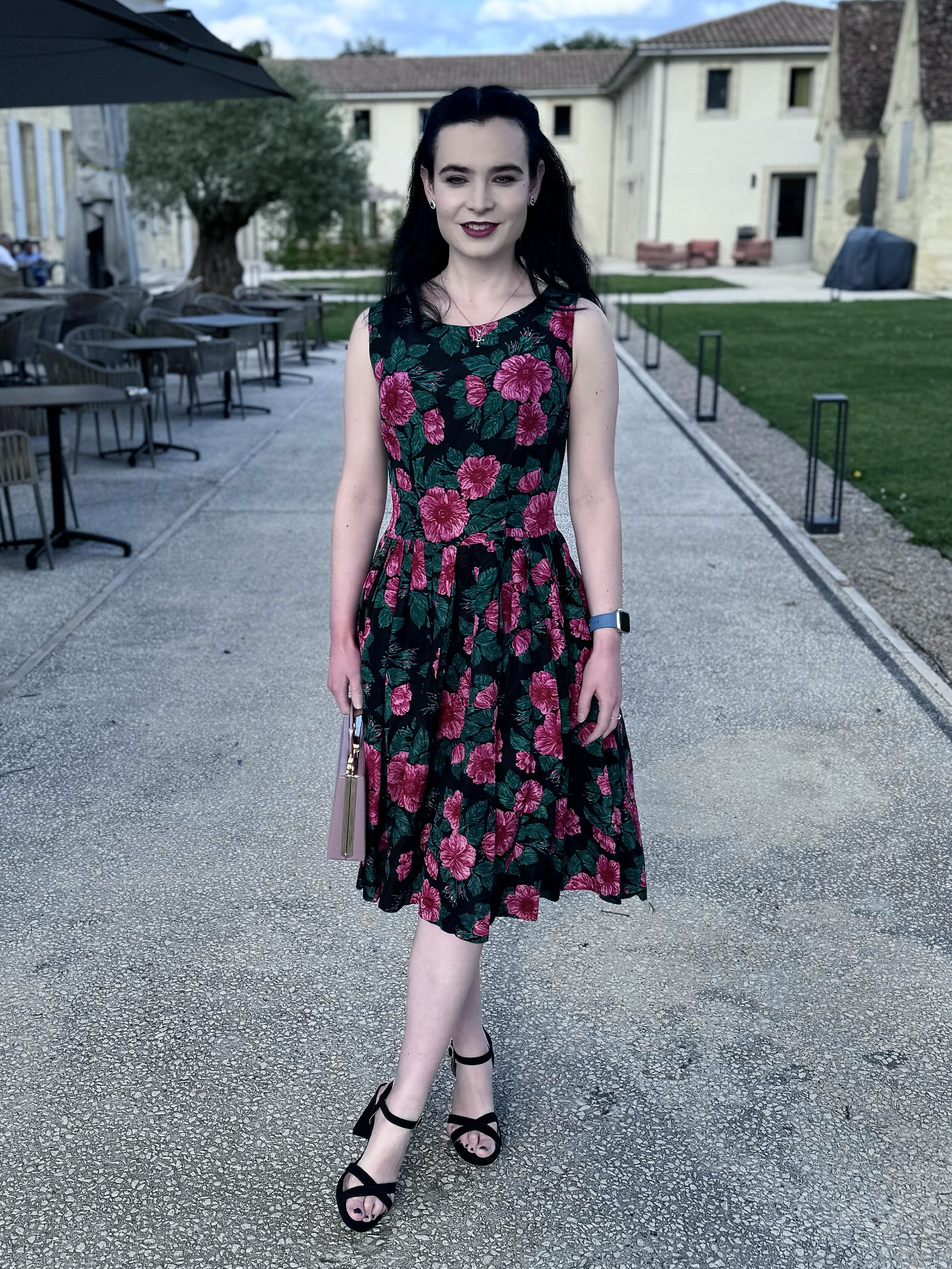
Bold, floral prints were widely fashionable in the 1950’s, symbolising optimism, femininity and a connection to nature. Dior’s designs designs often featured romantic, garden-inspired prints that enhanced the feminine silhouette of the New Look. In turn, floral dresses, skirts, and blouses became wardrobe staples for women, adding a touch of softness and vibrancy.
This is one of my favourite original 1950’s fit and flare dresses with the voluminous underskirt removed for a more casual look.
Fabric & Construction
The post-war era saw a greater emphasis on luxury as opposed to practicality in fashion which coincided with the increasing globalisation of fashion trends. As travel became more accessible and international trade expanded, fashion and accessories from different cultures began to coincide with each other. For example, the popularity of exotic materials like silk from Asia and leather from Italy grew, leading to a broader range of accessories in terms of both style and craftsmanship. This period also marked the beginning of the fashion industry’s relationship with mass production, making once-luxurious items more accessible to a wider audience.
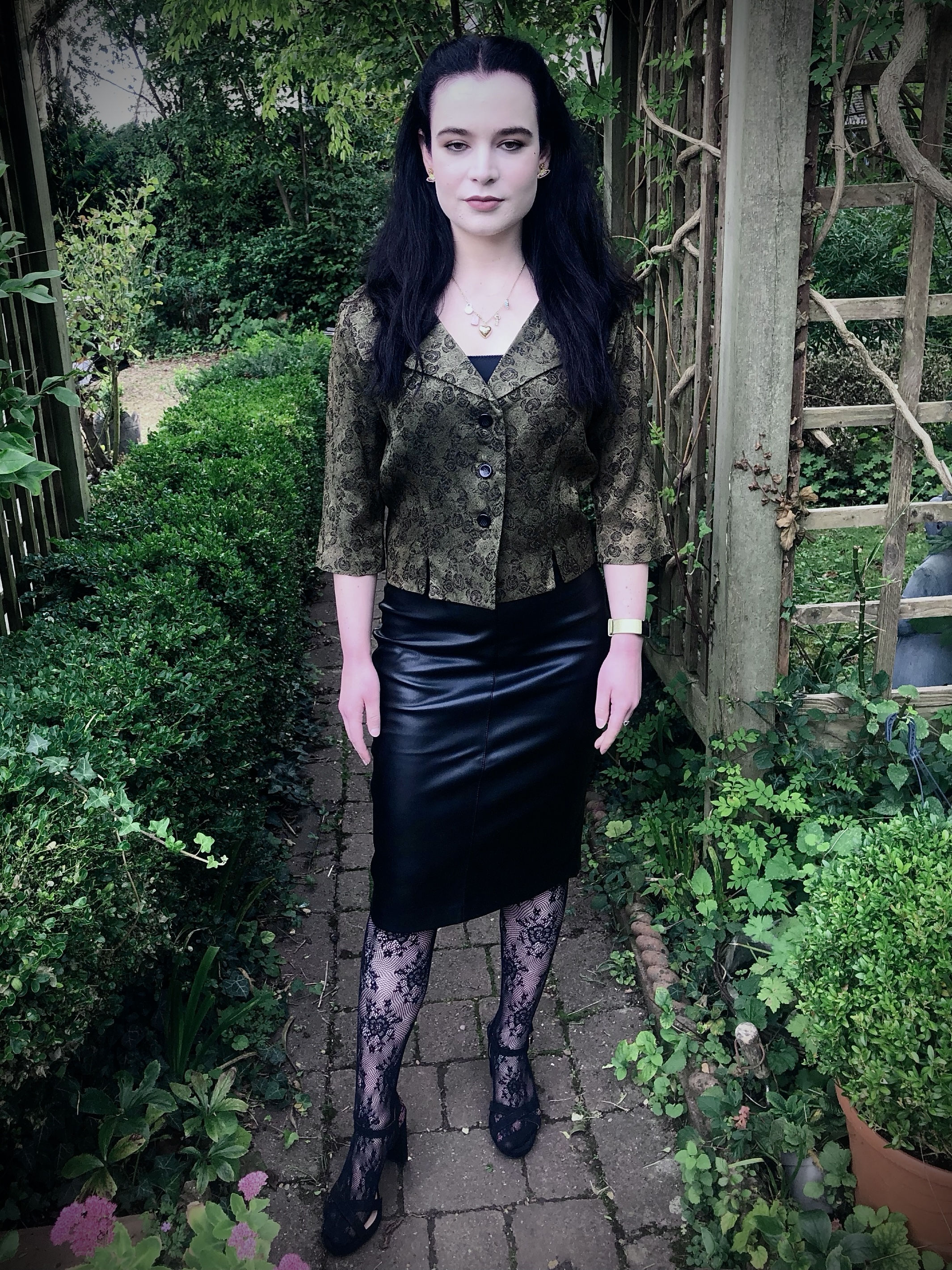
Another one of my favourites – I was fortunate enough to find this original, 1950’s handmade Brocade jacket on Ebay for an excellent price given it’s quality material and authentic design.
Accessories

Accessories were key in complementing this new look. Items such as cat-eye sunglasses, pearl necklaces, and chic clutches became must-haves for women wanting to emulate the styles of Hollywood.
Gloves

Recently I have become obsessed with different styles of gloves. Leather gloves from the 1950s were often short, stopping just at or slightly above the wrist for daytime wear. Longer ‘Opera’ gloves reaching the elbow or higher, were typically reserved for formal evening wear or special occasions, often paired with ball gowns and cocktail dresses. These gloves added an air of sophistication and completed the polished, refined feminine aesthetic, characteristic of the decade.
The 1950s saw leather gloves made from soft, supple leathers like lambskin or kid leather, known for their smooth texture and snug fit. These gloves were designed to hug the hands perfectly, creating a sleek, tailored look that complemented the sharp lines of a tailored coat or fitted dress. Here I am wearing my long black leather gloves paired with a fitted blazer and pleather pencil skirt for a modern twist…
In terms of colour, classic black, white, and beige gloves were popular choices for their versatility. However, as the 1950s embraced vibrant fashion, women began incorporating colourful leather gloves into their wardrobes. Rich autumn tones like burgundy, mustard, forest green, and deep brown were perfect for the cooler months, adding a pop of color to more neutral outfits or complementing the warm hues of the season.
Leather gloves in the 1950s weren’t just a fashion accessory—they were a symbol of good manners and social propriety. Gloves were worn during greetings and handshakes, especially in more formal settings. A woman removing her gloves was a deliberate act, often signaling a shift from public decorum to a more relaxed, intimate setting.

Women were taught to follow etiquette rules regarding gloves, such as never eating or drinking with them on, and always removing them indoors (unless it was a very formal occasion). This ritual of putting on and removing gloves became part of the poised, elegant demeanor that women of the 1950s were expected to uphold.
The Evolution of 1950’s Fashion
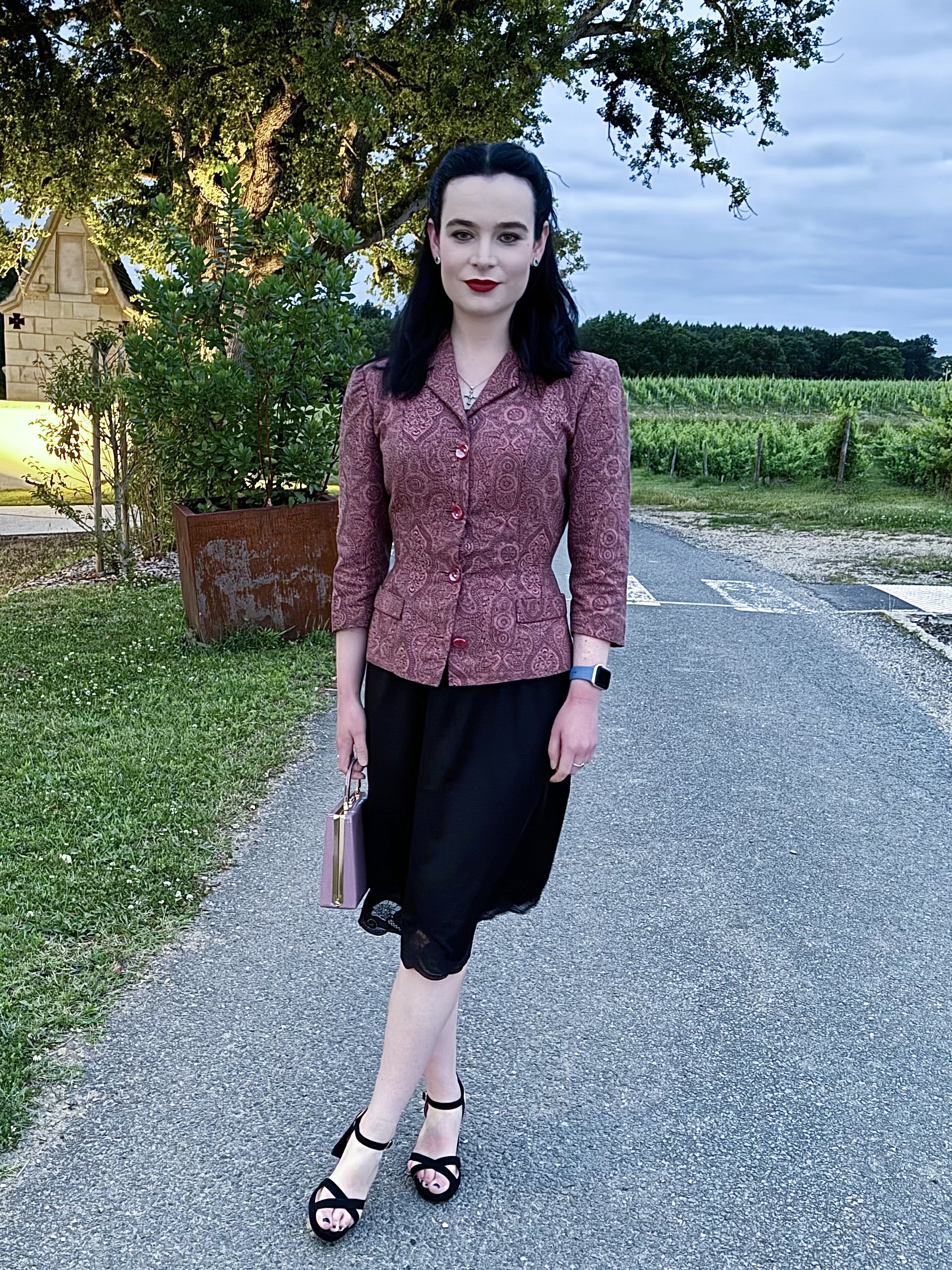
Whilst the aesthetic of Dior’s New Look presided over the early years of the decade; towards the mid 50’s fashion began to shift towards more varied styles, including the popularity of pencil skirts, sheath dresses, and a generally a more relaxed silhouette.
The Influence of Rock And Roll
The Rock and roll music scene and contemporary youth culture had a profound impact on 1950’s fashion, introducing a rebellious and energetic style. As the music genre exploded in popularity, fuelled by icons like Elvis Presley and Chuck Berry, young people began to embrace a more casual, edgy aesthetic which challenges the conservative norms of the older generation. This era saw the rise of the “greaser” look, with leather jackets, denim jeans, and slicked-back hair becoming symbols of youthful defiance. For women, the influence of rock and roll led to more daring choices, and a somewhat masculine edge with pedal pushers. This shift marked the beginning of fashion as a means of self-expression, with the youth of the 1950’s paving the way for future generations to challenge conventions through their style.
Reflections
The 1950’s was evidently a defining era in fashion, with Christian Dior paving the way for a return to elegance and femininity in the backdrop of the austerity of the war years. As we reflect on this iconic period, I want to finish with this quote where Dior’s words deeply resonate:
“There is no beauty without happiness. Happiness is the secret to all beauty; there is no beauty that is attractive without happiness. Don’t buy much but make sure that what you buy is good. Zest is the secret of all beauty.”
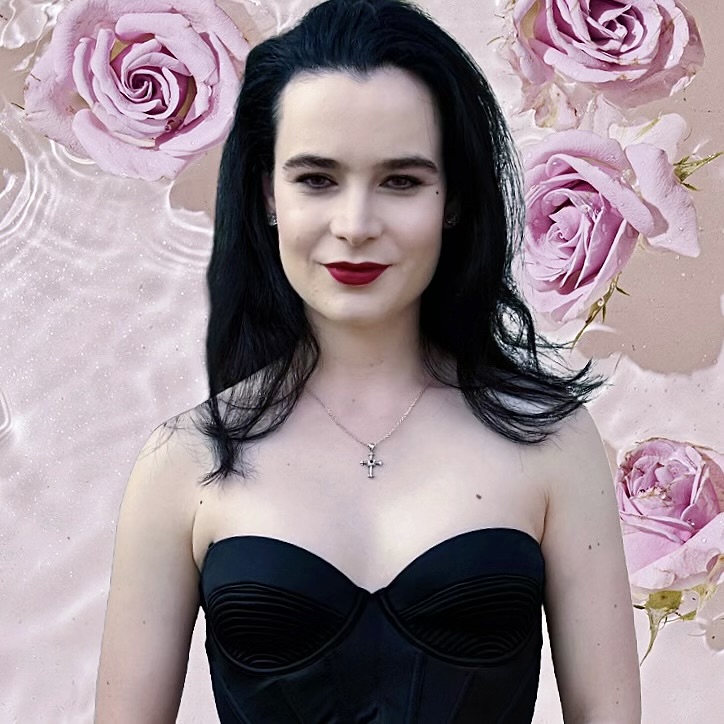
This timeless philosophy encapsulates the essence of 1950’s fashion—a celebration of quality, artistry, and the joy of dressing beautifully. Today, as we look back on this golden age of fashion, we are reminded that true style is not about excess, but about choosing pieces that bring happiness, zest, and elegance into our lives, just as Dior intended.

 Logan Darkwoods